- by Janaki Krishnan
.
Today is Agninakshatram. From now on, for a month, the Sun is at his best, and it is the season for making papads, pickles and masalas for the year.
.
The terraces of Bombay's apartments are filled with papads drying in the sun. Housewives gather in the afternoons, and exchange recipes. They proudly declare how they got the best varieties of small green mangoes for pickling, at the cheapest price. I too enjoy the papad and picking season - especially after my retirement, when I feel the day has 48 hours.
.
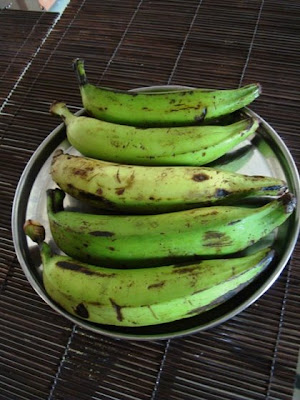
This year after finishing my mango purchase (not proud, as I could get only second-grade ones!), I turned to vegetables for inspiration - beans, okra, lotus stem, and bitter gourd. When salted and dried, these make excellent fried snacks. They don't involve much labour, and they're tastier than the rice vadams and karuvadams. I made a batch of salted fritters, and sent them to my daughters.
.

Besides pickles and salted fritters, this is also the month when I buy my year's supply of tamarind. Tamarind is a must for all South Indians who cannot have a proper lunch without rasam or sambar. We buy the entire year's stock during summer when the prices are low and it is available in plenty. The tamarind is then de-seeded, dried, and stored in tight containers, along with salt.
.

 This year, as I sat deseeding the tamarind, my mind wandered to a scene 60 years ago...and I had a flashback, like we see in the movies. My sister, my brothers and I are sitting around a big pile of tamarind, removing the seeds. My brother sneaks a piece of tamarind into his mouth...and the rest of us are quick to shout...."Amma!!" Of course, my brother too gets his chance to shout when someone else eats a piece. When it turns into a fight, my mother steps in. "Don't eat too much", she says, "Or it will weaken your bones".
.
These days, things have changed. With greater awareness about health, the consumption of pickles, fried items and tamarind comes with a warning. Cholestorol, blood pressure and diabetes have become familiar terms, frightening everyone. Besides, working women, whose tribe has increased since my childhood, hardly have time for such tasks. In their homes, readymade bottled pickles - Priya, Bedekar, and others - rule the roost. As bottled tamarind paste is available, nobody wants the headache of soaking, crushing and extracting tamarind essence for sambar. Women who balance career and home, and have to multi-task all the time, do need these conveniences.
.
But oh! The joys of retirement! With unlimited time at my disposal, I find a new interesting task every day. Buying the vegetable, cutting it, cooking it, and drying it, takes the better part of the day. Then comes the pleasure of frying and tasting the first batch...and the satisfaction of distributing it to family and friends. Their words of appreciation bring a warm glow to my heart. The next day, its is another vegetable's turn, and the process goes on all through summer! Silly, you may think...but perhaps when you retire, you will understand these slow pleasures. Until then, enjoy the readymade stuff!
.
(Posted by Deepa on behalf of Janaki)


 On our very first lunch overlooking the sea, I spotted a pair of dolphins making their graceful way into the harbour. I was jumping up and down with excitement: "Look, Dolphins! Oh my god, Dolphins!!!". The two guys were more interested in the wine list.